
Kaminarimon Gate: Tokyo's Most Iconic Welcome to Traditional Japan

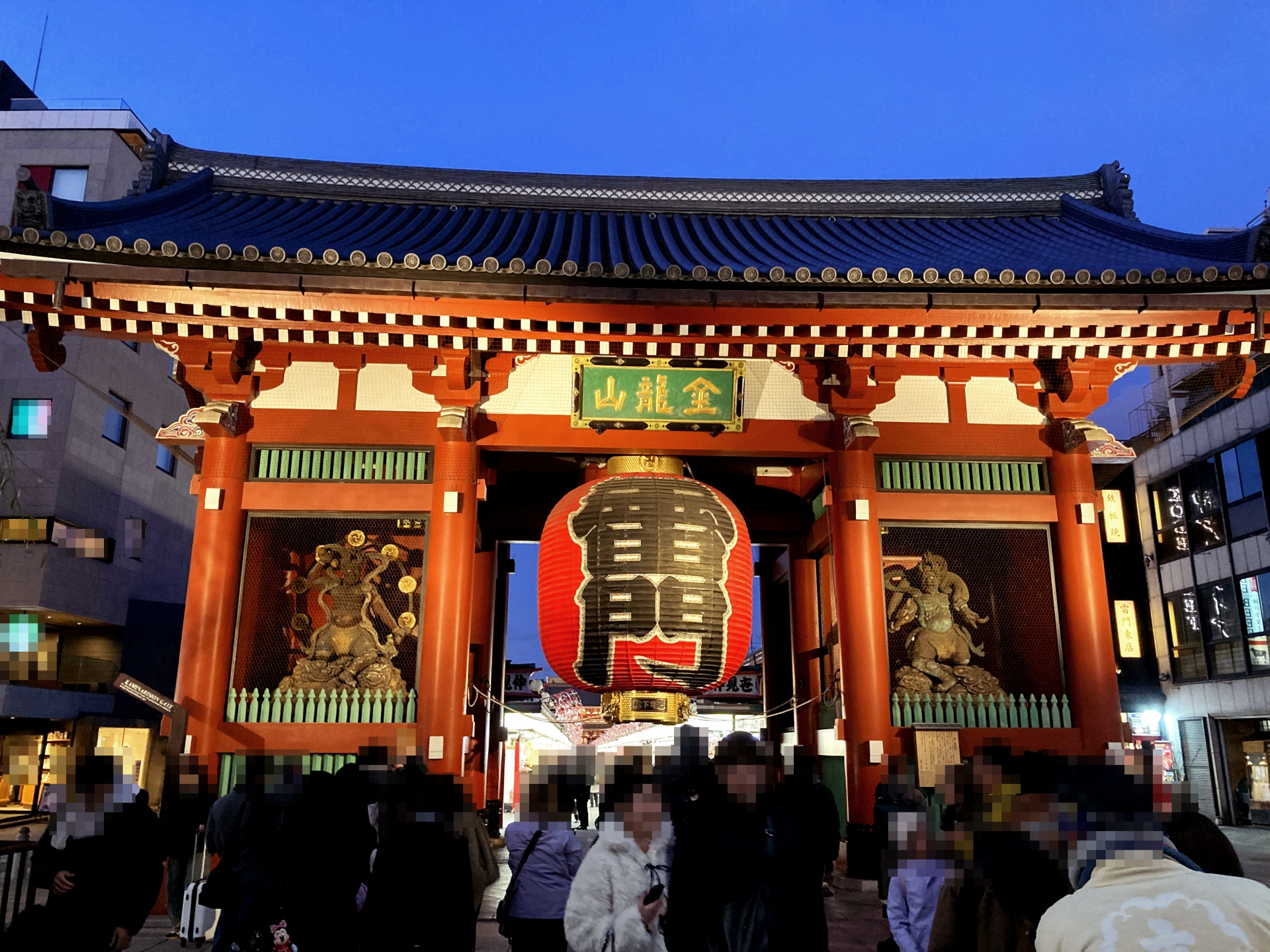
Standing proudly at the entrance to Senso-ji Temple, Kaminarimon (Thunder Gate) isn’t just a gateway—it’s Tokyo’s most photographed landmark and your portal to experiencing authentic old-world Japan. With its massive 700kg red lantern and guardian deities watching over millions of visitors, this 1,000-year-old icon continues to captivate travelers from around the globe.
The Verdict
Absolutely worth visiting. Kaminarimon is the quintessential Tokyo experience—free, accessible 24/7, and breathtaking in person. While crowds can be intense during daytime, the sheer cultural significance and photo opportunities make it an unmissable stop on any Tokyo itinerary. Best visited early morning (before 8 AM) for fewer crowds and stunning photos.
Tourist Quick Check
| Category | Details |
|---|---|
| Payment | Free Entry |
| English Support | Signage Available |
| Reservation | Not Required |
| Wait Time | No Wait (Crowds Expected) |
| Wi-Fi | Available in Area |
Why Locals Love It
Despite being Tokyo’s most tourist-heavy spot, Kaminarimon holds deep significance for locals. The gate’s official name is Fūraijin-mon (Wind and Thunder God Gate), named after the two protective deities flanking each side—Fūjin (wind god) on the right and Raijin (thunder god) on the left. These guardians have protected Asakusa for centuries, symbolizing prosperity and safety for the community.
The current structure, rebuilt in 1960 after fire destruction, features a colossal lantern measuring 3.9 meters in diameter and height, weighing approximately 700kg. Originally donated by Panasonic founder Konosuke Matsushita, the lantern undergoes periodic maintenance—a spectacle in itself when hoisted by crane. Locals appreciate how this landmark serves as both a cultural anchor and a thriving gateway to Nakamise Shopping Street, where traditional crafts and street food thrive.
Key Highlights
- The Massive Red Lantern: Don’t just photograph it from the front—look underneath to see the intricate dragon carving, believed to protect against fires.
- Wind & Thunder Gods: Study the detailed statues of Fūjin and Raijin, each holding their symbolic instruments (wind bag and thunder drums).
- Nakamise Street Access: Walk through the gate to enter Tokyo’s oldest shopping street with 90+ shops selling traditional snacks and souvenirs.
- Night Illumination: The gate is beautifully lit after dark, offering a completely different atmosphere with fewer crowds.
- Cultural Atmosphere: Experience the energy of international travelers and locals alike, all converging at this historic meeting point.
Honest Warnings
Extreme Daytime Crowds: Reviews consistently mention overwhelming crowds, especially on weekends and holidays. Expect shoulder-to-shoulder foot traffic and long waits for unobstructed photos. One visitor noted, “Crowded, but that energy is part of the Kaminarimon experience.”
Photo Challenge: Getting a clean shot without dozens of people in the frame is nearly impossible midday. Arrive before 7:30 AM or after 8 PM for better photo opportunities.
Pedestrian Traffic: On Saturdays, the area becomes a pedestrian zone, which makes photography easier but increases overall foot traffic density.
Quick Visit: Many tourists spend only 5-10 minutes here for photos. To truly appreciate the details (guardian statues, dragon carving, surrounding architecture), budget at least 20-30 minutes.
Senso-ji Temple Continuation: Remember that Kaminarimon is just the entrance—the main Senso-ji Temple complex lies beyond Nakamise Street, requiring additional time to explore fully.
Access
Kaminarimon Gate
雷門
2-3-1 Asakusa, Taito-ku, Tokyo 111-0032, Japan
〒111-0032 東京都台東区浅草2丁目3−1
TEL: 03-3842-0181