
Kinkaku-ji (Golden Pavilion): Kyoto's Must-Visit Icon That Shimmers in Pure Gold

 kote2
kote2 The Verdict
Kinkaku-ji is absolutely worth visiting and lives up to every expectation. This UNESCO World Heritage site is Kyoto’s most photographed temple for good reason—the gold-leafed pavilion reflecting in the mirror-like pond is breathtakingly beautiful in person. While it gets crowded, the experience is well-managed with clear pathways, and the stunning visual impact makes it an essential stop on any Kyoto itinerary. Best visited early morning (right at 9:00 AM opening) or late afternoon to avoid peak crowds.
Tourist Quick Check
| Category | Details |
|---|---|
| Payment | Cash (¥500 entrance fee) |
| English Support | English signage available, multilingual pamphlets |
| Reservation | Walk-in only (no reservation needed) |
| Wait Time | 10-30 minutes during peak hours; minimal at opening/closing |
| Wi-Fi | Unavailable |
Why Locals Love It
Kinkaku-ji (officially Rokuon-ji) represents the pinnacle of Japanese aesthetic perfection. Originally built in 1397 as a retirement villa for Shogun Ashikaga Yoshimitsu, the three-story pavilion covered entirely in gold leaf has become the definitive symbol of Kyoto’s cultural heritage. What makes this temple special is the masterful integration of architecture and landscape—the golden structure, its perfect reflection in Kyokochi Pond, and the surrounding carefully manicured gardens create a harmonious scene that embodies Japanese beauty principles.
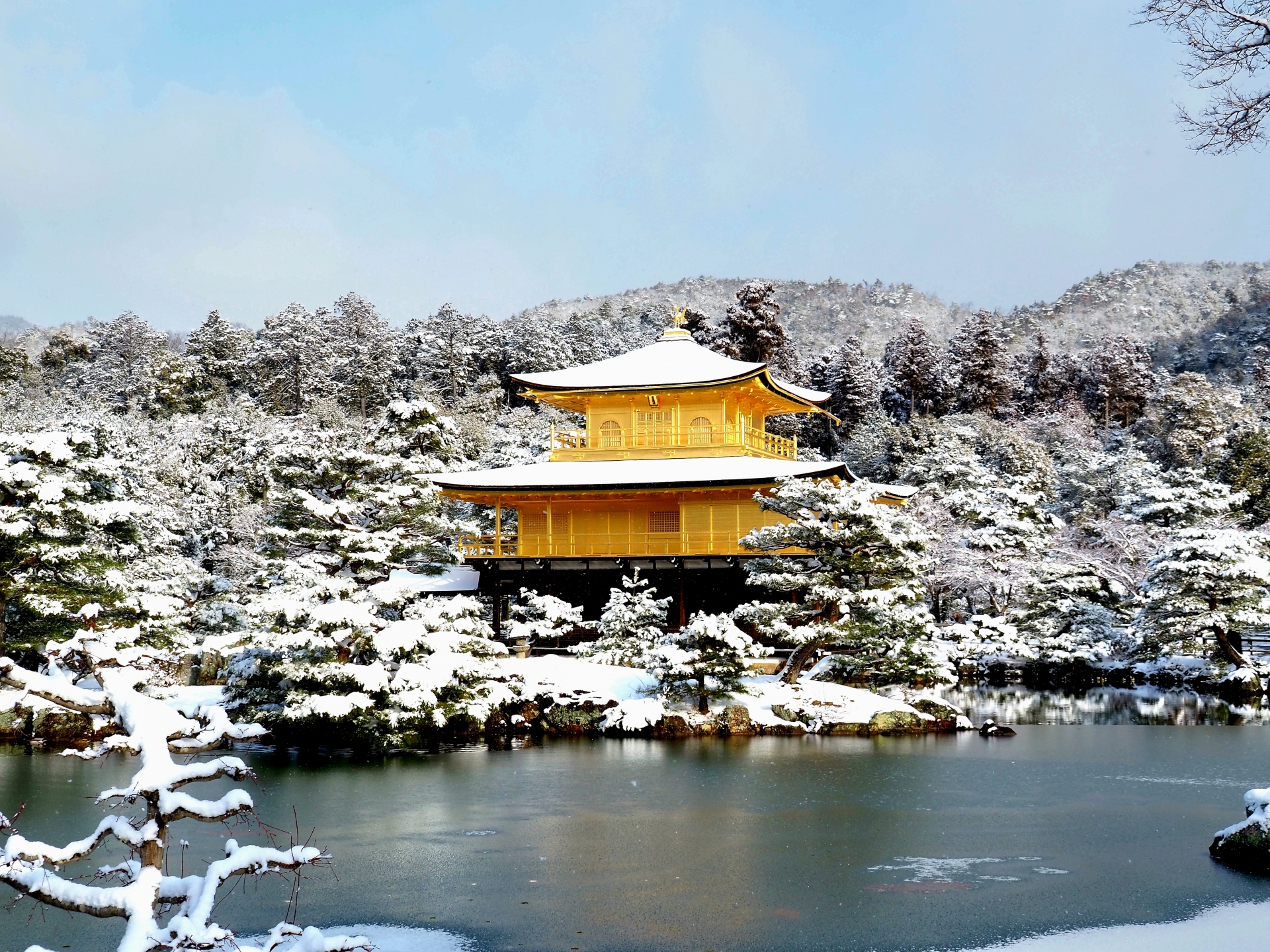
Local visitors appreciate how the temple manages to maintain its serene dignity despite being one of Japan’s most visited sites. The temple has a 4.5-star rating, and reviewers consistently praise its “別格” (exceptional) status—even those who’ve seen countless photos agree that experiencing it in person is entirely different. The changing seasons offer different perspectives: cherry blossoms in spring, lush greenery in summer, fiery autumn colors, and especially magical snow-covered scenes in winter.
On sunny days, the golden pavilion truly shimmers and gleams against the blue sky, creating an almost surreal visual spectacle. The reflection in the pond on clear days is particularly stunning, doubling the impact of the gold-leafed facade.
Key Highlights
- The Golden Shariden (Pavilion): The three-story structure completely covered in gold leaf is the main attraction. Each floor represents a different architectural style—Shinden, Samurai, and Zen.
- Mirror Pond Photo Spot: The first viewing area after entering offers the iconic reflection shot that graces postcards worldwide. Come right at opening (9:00 AM) for the best photo opportunity with fewer people.
- Ofuda (Amulet): Your ¥500 entrance fee includes a special calligraphic amulet ticket—a unique keepsake you won’t get at most temples.
- Meticulously Designed Gardens: Beyond the pavilion, explore the walking path through pine groves, stone arrangements, and smaller tea houses that showcase traditional Japanese landscape design.
- Ryumon Waterfall: A small waterfall with koi-shaped stones representing the legend of carp transforming into dragons.
- Fudo-do Hall: Houses a statue of Fudo Myoo, offering a quieter spiritual moment away from the main crowds.
- Seasonal Beauty: The temple transforms throughout the year—winter snow creates ethereal scenes, while spring and autumn bring vibrant natural colors that contrast beautifully with the gold.
Honest Warnings
- Expect Crowds: This is one of Kyoto’s most popular sites. Even during off-peak seasons like February, visitor numbers remain significant. The main photo spot near the entrance naturally creates bottlenecks as everyone stops for pictures.
- One-Way Path: The temple route is strictly one-way with no opportunity to backtrack. Make sure you’ve taken all desired photos at each viewpoint before moving forward.
- Limited Viewing Time: Unlike some temples where you can enter buildings, Kinkaku-ji is viewed exclusively from designated outdoor pathways. You cannot enter the pavilion itself.
- Bus Access Can Be Tricky: While buses 12, 59, 205, and M1 serve the “Kinkakuji-michi” stop, routes can be confusing for first-timers. Download a bus navigation app or ask locals if uncertain. Consider purchasing a one-day bus pass (¥700) if visiting multiple sites.
- 30-60 Minute Visit: Plan for 40-60 minutes total to walk the full grounds comfortably, take photos, and browse the gift shop. The site is smaller than you might expect.
- Weather Matters: Sunny days showcase the golden brilliance best. The pond reflection is most spectacular in clear weather with minimal wind.
- Limited Facilities: Restrooms and vending machines are available, but no restaurants or extensive rest areas within the temple grounds.
- Opens 9:00 AM / Closes 5:00 PM Daily: Last admission is around 4:30 PM. Arrive early or late to avoid midday tour bus groups.
Local Insider Tip
On sunny days, the reflection of the Golden Pavilion in the pond is absolutely spectacular. The primary photo spot is right after you enter, so even if it’s crowded, just wait a few minutes and you’ll get your perfect shot. The golden shimmer on clear days combined with the mirror-like pond creates an unforgettable scene that’s worth the short wait!
Access
Kinkaku-ji (Golden Pavilion)
金閣寺
1 Kinkakuji-cho, Kita-ku, Kyoto 603-8361, Japan
〒603-8361 京都府京都市北区金閣寺町1
TEL: 075-461-0013