
Kumamoto Castle: Japan's Legendary 'Impregnable Fortress' Rising from Disaster

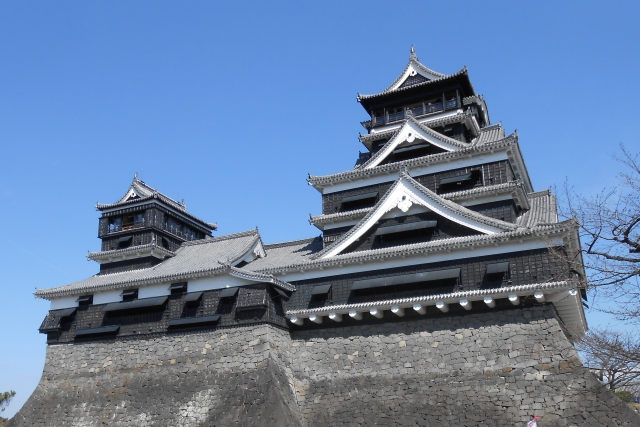
Standing majestically in the heart of Kumamoto City, Kumamoto Castle is not just another Japanese castle—it’s a testament to samurai ingenuity, historical resilience, and the indomitable spirit of an entire region. Built by the legendary daimyo Kato Kiyomasa in the early 1600s, this fortress earned its reputation as “impregnable” during the Satsuma Rebellion of 1877, when it withstood a 53-day siege despite being heavily outnumbered.
The Verdict
Absolutely worth visiting. Kumamoto Castle offers a unique opportunity to witness both Japan’s feudal grandeur and an ongoing historic restoration project. While the 2016 earthquake caused significant damage, the restoration work itself has become part of the castle’s story. You can now enter the reconstructed main keep (tenshu) and experience panoramic views of Kumamoto City. The castle is open daily from 9:00 AM to 4:00 PM, making it an easy addition to any Kyushu itinerary. Note that full restoration won’t be complete until around 2053, so what you’re seeing is history actively being preserved.
Tourist Quick Check
| Category | Details |
|---|---|
| Payment | Cash and Card Accepted |
| English Support | English signage available, limited English staff |
| Reservation | Walk-in (No reservation needed) |
| Wait Time | Minimal wait; afternoons less crowded |
| Wi-Fi | Available in visitor areas |
Why Locals Love It
Kumamoto Castle is more than a tourist attraction—it’s the soul of Kumamoto. Locals view the castle as a symbol of their city’s resilience and pride. The fortress was originally constructed between 1601 and 1607 by Kato Kiyomasa, one of Japan’s most accomplished castle architects. Its brilliant defensive design features “musha-gaeshi” (warrior-repelling) stone walls that curve outward, making them nearly impossible to climb.
The castle’s finest hour came during the 1877 Satsuma Rebellion, when it successfully held off Saigo Takamori’s samurai forces—a testament to Kiyomasa’s genius design. When the 2016 Kumamoto earthquakes struck, causing extensive damage to the structure and its iconic stone walls, the entire region rallied around its restoration. Visitors today witness not just a historic monument, but an active symbol of community determination and cultural preservation. Many locals make annual visits to track the restoration progress, treating each visit as a pilgrimage of hope.
Key Highlights
- The Reconstructed Main Keep (Tenshu): Climb to the top floor for breathtaking 360-degree views of Kumamoto City and the surrounding mountains. The interior features exhibits on the castle’s history and earthquake recovery.
- “Musha-gaeshi” Stone Walls: Marvel at the ingeniously curved defensive walls that slope gently at the base before curving sharply outward—designed to prevent enemy scaling.
- Ongoing Restoration Sites: Witness master craftsmen using traditional techniques to rebuild the stone walls, piece by piece—a rare glimpse into centuries-old construction methods.
- Uto Turret and Other Structures: Several beautifully preserved or reconstructed turrets, gates, and defensive structures showcase different architectural periods.
- Sunset Views: As reviewers note, the castle illuminated by evening light is spectacular—the golden hour makes for incredible photographs.
- Honmaru Palace Area: The reconstructed palace complex gives insight into the luxurious lifestyle of feudal lords.
Honest Warnings
- Restoration Work Until 2053: Large portions of the castle grounds remain under active construction. While the main keep is accessible, expect scaffolding, covered areas, and restricted zones. The complete restoration is projected for around 2031-2053, so some of the castle’s full grandeur remains hidden.
- Morning Bus Tour Crowds: According to local reviews, mornings can get crowded with tour groups. Visit after 2:00 PM for a more peaceful, contemplative experience—plus better lighting for photos.
- Early Closing Time: The castle closes at 4:00 PM (last entry likely around 3:30 PM), which is earlier than many tourists expect. Plan accordingly and arrive with at least 1.5-2 hours to explore properly.
- Earthquake Scars Visible: While restoration has progressed significantly, you’ll still see collapsed stone walls and damaged structures—a sobering reminder of nature’s power. This adds historical depth but may be emotional for some visitors.
- Limited English Guidance: While there is English signage, detailed explanations are primarily in Japanese. Consider hiring a guide or downloading information beforehand for deeper understanding.
- Walking and Stairs: The castle grounds are extensive with many stairs and slopes. Wear comfortable walking shoes and be prepared for physical exertion, especially climbing to the top of the keep.
- Weather Exposure: Much of the site is outdoors with limited shade. Bring sun protection in summer and warm clothing in winter.
Pro Tip: Support the local economy by spending money in Kumamoto—from castle admission to local restaurants and shops. Many visitors return annually to contribute to the region’s recovery while witnessing the castle’s gradual transformation. Consider taking the tram instead of driving to experience Kumamoto like a local!
Access
Kumamoto Castle
熊本城
1-1 Honmaru, Chuo Ward, Kumamoto, 860-0002, Japan
日本、〒860-0002 熊本県熊本市中央区本丸1−1
TEL: 096-352-5900