
Nanzen-ji Temple: Kyoto's Must-Visit Zen Masterpiece with a Secret Brick Aqueduct

 kote2
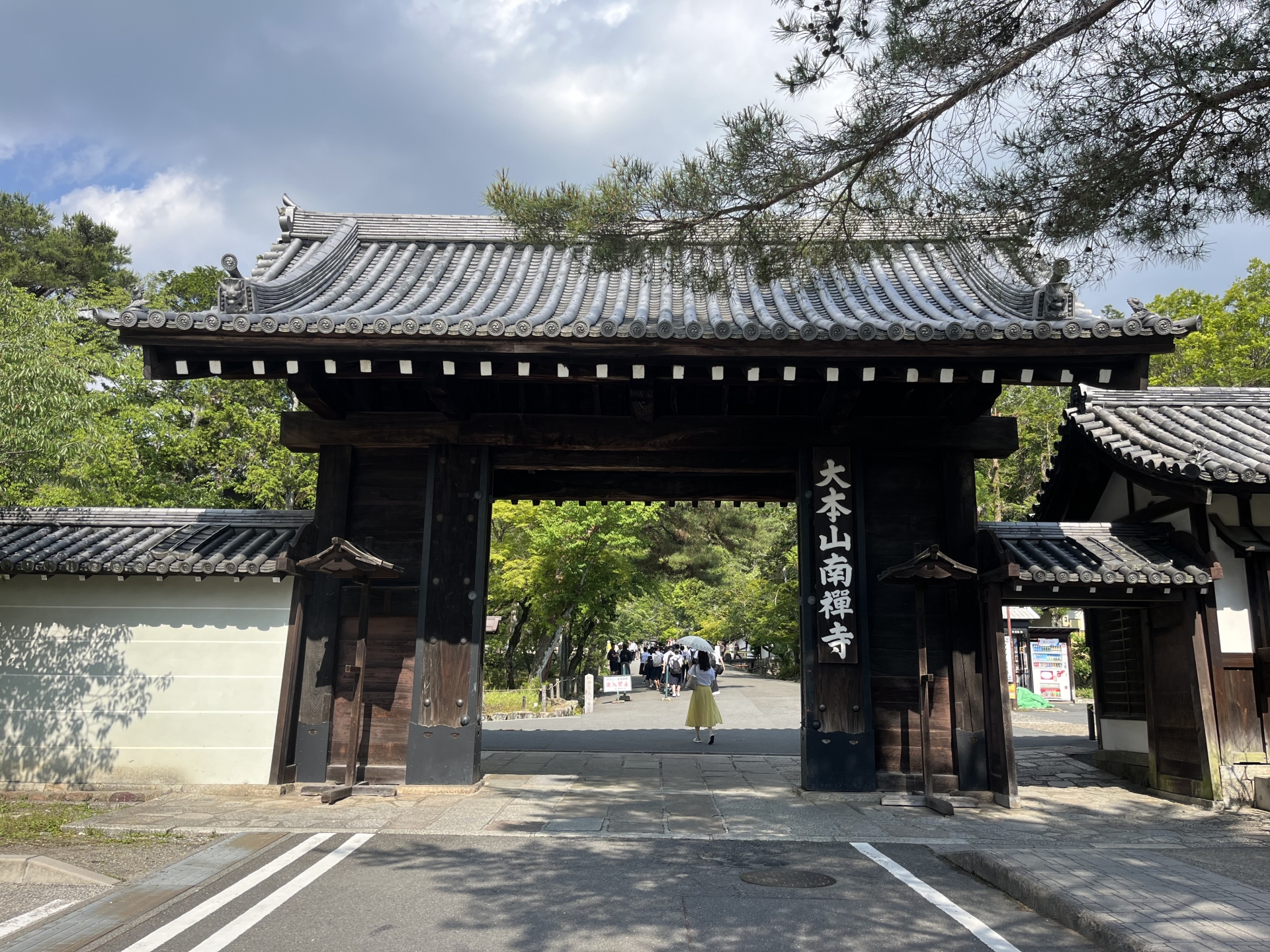
kote2 Nanzen-ji Temple stands as one of Kyoto’s most captivating destinations, where ancient Zen tradition meets unexpected Western architecture. This sprawling temple complex offers visitors a rare combination of spiritual serenity, stunning seasonal beauty, and one of the most photographed structures in all of Japan—the iconic brick aqueduct that seems transported from ancient Rome.
The Verdict
Absolutely worth visiting. Nanzen-ji deserves its reputation as one of Kyoto’s top Zen temples. The massive Sanmon Gate, serene gardens, and the photogenic Suirokaku aqueduct create an unforgettable experience. The temple is particularly stunning during autumn foliage and cherry blossom seasons. With reasonable entrance fees (¥600 for the gate), spacious grounds that prevent overcrowding, and nearby yudofu (tofu hotpot) restaurants, it’s a complete cultural experience. Plan for 1-2 hours to fully explore the grounds.
Tourist Quick Check
| Category | Details |
|---|---|
| Payment | Cash (Likely) |
| English Support | Limited (Signs available) |
| Reservation | Not Required |
| Crowd Level | Moderate to High (Peak seasons) |
| Wi-Fi | Unavailable |
Why Locals Love It
Nanzen-ji represents one of the most important Zen temples in Japan, ranking among the top five Rinzai Zen temples. What sets it apart is its perfect balance of grandeur and tranquility. Unlike some tourist-packed temples, Nanzen-ji’s expansive grounds allow visitors to find peaceful corners even during busy seasons.
Regular visitors appreciate how the temple transforms with each season—cherry blossoms frame the massive gate in spring, lush greenery cools the pathways in summer, fiery autumn leaves create breathtaking contrasts against the red brick aqueduct, and winter snow blankets the gardens in serene white. The temple’s connection to Kyoto’s modernization history through the Meiji-era aqueduct adds a unique layer of cultural significance that fascinates both locals and history enthusiasts.
The surrounding area is famous for yudofu (tofu hotpot) restaurants, making Nanzen-ji a complete cultural and culinary destination. This Kyoto specialty originated in the temple’s vegetarian Buddhist cuisine tradition.
Key Highlights
- Sanmon Gate: One of Japan’s three great gates, standing approximately 22 meters tall. Climb to the top (¥600) for panoramic views of Kyoto’s cityscape and surrounding mountains—absolutely worth the steep stairs
- Suirokaku Aqueduct: The star attraction—a red brick Roman-style aqueduct built in 1888 for the Lake Biwa Canal system. The contrast between Western architecture and traditional Zen surroundings creates incredibly photogenic scenes, especially with seasonal foliage
- Hojo Garden: Beautifully maintained Zen rock gardens that exemplify the temple’s spiritual essence. The carefully raked gravel and precisely placed stones invite quiet contemplation
- Nanzen-in Sub-temple: Features a stunning strolling pond garden that’s particularly peaceful and less crowded than the main grounds
- Seasonal Beauty: Cherry blossoms along Keage Incline nearby in spring, vibrant autumn foliage throughout the grounds (late November is peak), and year-round greenery
- Free Bicycle Parking: Convenient for those exploring Kyoto by rental bike
Honest Warnings
- Crowds During Peak Seasons: Autumn foliage (late November) and cherry blossom season draw significant crowds, though reviewers note the atmosphere remains relatively refined compared to some other tourist hotspots
- Limited Operating Hours: Open 8:40 AM to 4:30 PM daily—arrive early morning for the best light and fewer people, especially for photographing the aqueduct
- Steep Stairs: The Sanmon Gate climb involves steep traditional stairs (though handrails are provided). Not wheelchair accessible
- Separate Entrance Fees: The main grounds are free, but the Sanmon Gate (¥600), Hojo Garden (¥600), and Nanzen-in (¥400) require separate tickets
- English Information: While some signage exists, detailed English explanations are limited—consider a guidebook or audio guide app
- Photography Etiquette: The aqueduct is extremely popular with photographers. Be patient and respectful when waiting for your shot
- Weather Dependent: The temple’s beauty is significantly enhanced by good weather, especially for the aqueduct photos where blue sky creates stunning contrast
Insider Tips
The brick arches of the aqueduct are truly photogenic—explore different angles and walk underneath for unique perspectives. The area is particularly magical when afternoon light filters through the foliage. After exploring the temple, don’t miss the opportunity to try yudofu at one of the many traditional restaurants surrounding Nanzen-ji. This silky tofu hotpot is a Kyoto specialty that pairs perfectly with your temple visit.
Consider combining your visit with nearby Keage Incline (especially beautiful during cherry blossom season) and the Philosopher’s Path for a full day of Kyoto’s eastern Higashiyama district exploration.
Access
Nanzen-ji Temple
南禅寺
86 Nanzenji Fukuchicho, Sakyo Ward, Kyoto, 606-8435, Japan
〒606-8435 京都府京都市左京区南禅寺福地町86
TEL: 075-771-0365