
Shimanto River: Japan's Last Crystal-Clear Paradise & Must-Visit Natural Wonder

The Verdict
Shimanto River is absolutely worth the journey for nature lovers and those seeking an authentic, off-the-beaten-path Japanese experience. Known as “Japan’s Last Clear Stream” (日本最後の清流), this 196km river offers breathtaking scenery, unique sunken bridges (沈下橋), and crystal-clear waters that transport you to a time when nature reigned supreme. However, this is not a heavily-developed tourist destination—plan for limited facilities, minimal English signage, and bring your own transportation. Best for adventurous travelers who appreciate pristine natural beauty over convenience.
Tourist Quick Check
| Category | Details |
|---|---|
| Access | Car Recommended (Limited public transport) |
| Best Season | Spring to Autumn (Avoid after heavy rain) |
| Facilities | Limited (Plan ahead) |
| English Support | Minimal |
| Wi-Fi | Unavailable |
Why Locals Love It
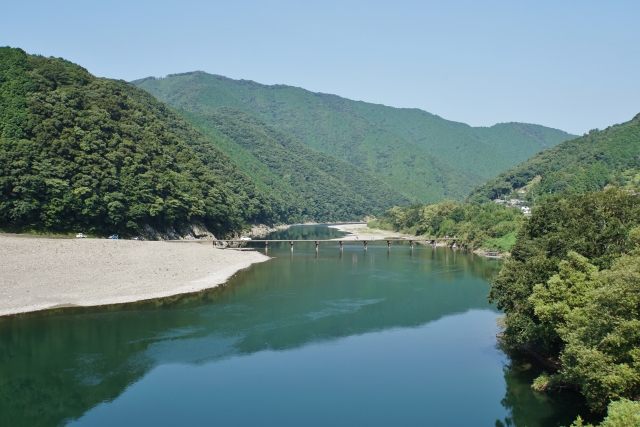
The Shimanto River has earned its legendary status as “Japan’s Last Clear Stream” for good reason. Flowing through the western part of Kochi Prefecture, this 196km river is actually the longest in Western Japan—even slightly longer than the famous Yoshino River (194km). What makes it truly special is how the river has been preserved in its natural state, meandering gently through mountains without the typical river modifications found elsewhere in Japan.
The river’s iconic sunken bridges (沈下橋, chinka-bashi) perfectly symbolize the harmony between humans and nature. These bridges have no railings—a deliberate design that allows them to “sink” underwater during floods without being damaged. Rather than fighting nature, these structures embrace it, reducing water resistance and preventing debris from catching on the bridge. This philosophy of accepting nature as it is, rather than trying to control it, resonates deeply with Japanese values.
Locals treasure the river’s remarkable water clarity and tranquil atmosphere. The riverside roads curve along with the river’s natural meanders, staying discreetly hidden from view, which has helped preserve the ancient river environment. The combination of majestic mountains, pristine water, and traditional sunken bridges creates a landscape that feels frozen in time.
Key Highlights
- Sunken Bridges (Chinka-bashi) – Unique railing-free bridges designed to withstand floods; the Sada Sunken Bridge is particularly famous and photogenic
- River Cruises – 60-minute boat tours (¥2,000) that pass under the sunken bridges and showcase the river’s crystal-clear waters up close
- Cycling Routes – Rent a bicycle from Nakamura Station and ride along the peaceful riverside paths (best on weekdays to avoid crowds)
- Exceptional Water Clarity – The transparent waters reveal the riverbed and are perfect for photography
- Shimanto Eel (Unagi) – The region is famous for freshwater eel; restaurants are concentrated in Shimanto City center
- Vast Natural Landscapes – Wide river plains surrounded by mountains create breathtaking panoramic views
Honest Warnings
⚠️ This is NOT a typical tourist destination – The Shimanto River area deliberately lacks heavy tourism development. While this preserves its natural beauty, it also means:
- Transportation is Essential – A rental car is highly recommended. Public transport is extremely limited, and cycling from Nakamura Station requires significant time and physical effort
- The River is HUGE – At 196km long, “visiting Shimanto River” is vague. There are numerous viewing spots spread across two municipalities (Shimanto Town and Shimanto City), each offering different scenery. Research specific locations beforehand
- Maintenance Varies by Area – Some sections have overgrown weeds along roadsides, though maintenance improves as you enter Shimanto City. The area feels less “polished” than typical Japanese tourist sites
- Limited Photo Spots – Unlike Instagram-ready destinations, finding good photo locations requires exploration and planning
- Weather-Dependent Beauty – Water clarity and scenery change dramatically after rain. Visit during dry periods for the best experience
- Solitary Experience – Weekday visits can mean encountering virtually no other tourists. While peaceful, solo travelers should be prepared for very isolated routes (one reviewer mentioned anxiety about rustling sounds in mountain sections, though locals confirmed no bears exist)
- Limited Facilities – Few restaurants along the river itself. The famous eel restaurants are concentrated in Shimanto City center, not riverside. One riverside eel shop was temporarily closed when reviewers visited
- Not Family-Friendly for Short Visits – One local reviewer noted it’s “difficult to enjoy” without proper planning and time investment
Best For: Independent travelers with time to explore, nature photographers, cyclists, and those seeking authentic rural Japan away from tourist crowds.
Skip If: You prefer well-developed tourist infrastructure, need English support, have limited time, or are traveling with young children without a car.
Access
Shimanto River
四万十川
Shimanto River, Kochi Prefecture, Japan
高知県 四万十川