
Suirokaku: Kyoto's Hidden Roman-Style Aqueduct That's Perfect for Instagram

 kote2
kote2 The Verdict
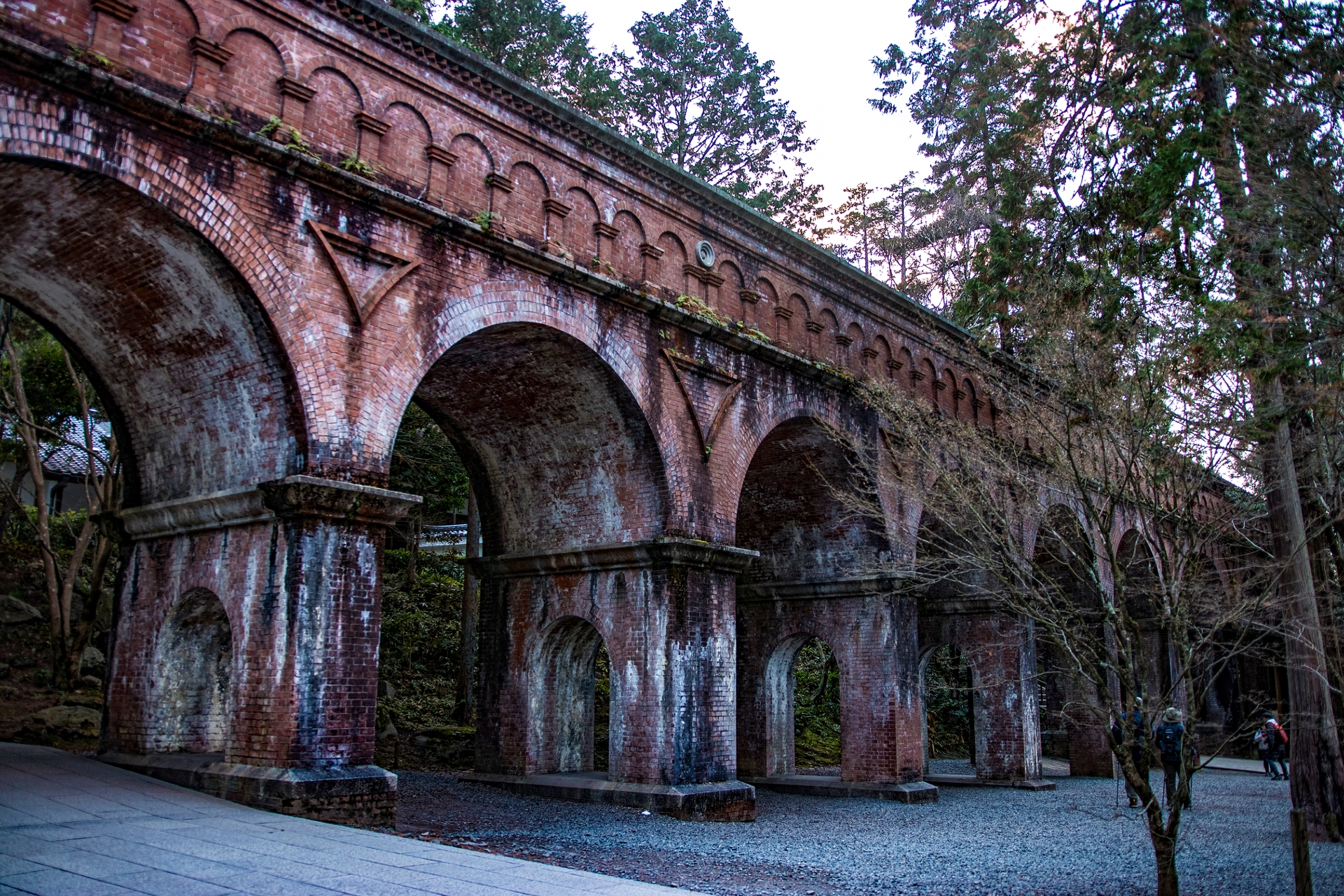
Suirokaku is an absolute must-visit for anyone exploring Kyoto’s Nanzenji Temple area. This stunning Meiji-era brick aqueduct seamlessly blends Western architecture with traditional Japanese temple grounds, creating one of Kyoto’s most photogenic and historically significant spots. Built in 1888 as part of the Lake Biwa Canal system, it continues to function today while serving as a designated National Treasure. The best part? It’s completely free and open 24/7, making it accessible regardless of your travel schedule.
Tourist Quick Check
| Payment | English Signage | Reservation | Best Time | Wi-Fi |
|---|---|---|---|---|
| Free Entry | Limited | Not Required | Early Morning/Weekdays | Unavailable |
Why Locals Love It
Suirokaku represents a fascinating chapter in Kyoto’s modernization story. When it was constructed in 1888 (Meiji 21), this brick aqueduct was a bold engineering feat that brought Lake Biwa’s water to Kyoto city, supporting the area’s industrial development. What makes it truly special is how this Western-style Roman aqueduct architecture harmoniously coexists within the sacred grounds of Nanzenji, a temple with over 600 years of history.
The Instagram-worthy appeal comes naturally—the contrast between ancient red brick arches and traditional temple buildings creates a unique “wa-yo setchū” (Japanese-Western fusion) aesthetic that you won’t find anywhere else in Kyoto. In 2024, Suirokaku was designated as a National Treasure alongside other Lake Biwa Canal facilities, recognizing its importance as a living industrial heritage site. The aqueduct still actively carries water today, making it a functional piece of history rather than just a museum piece.
Local photographers particularly appreciate how the structure transforms with the seasons—surrounded by vibrant green in spring and summer, and dramatically framed by crimson maple leaves in autumn. The sound of water flowing through the upper canal adds a meditative quality that complements the temple’s serene atmosphere.
Key Highlights
- The Arch Perspective: Walk beneath the massive brick arches and look up—the repeating arches create a stunning visual corridor that’s perfect for dramatic photos. The red brick contrasts beautifully against blue skies or green foliage.
- Upper Walkway: Climb the stairs to walk along the top of the aqueduct where water still flows. This vantage point offers a different perspective and lets you see the canal in action.
- Seasonal Beauty: Visit during autumn (November) for breathtaking red maple leaves against the red brick, or in early summer for lush green surroundings. Spring cherry blossoms also add delicate pink accents.
- Living Heritage: Unlike many historical sites, Suirokaku remains functional—water from Lake Biwa still flows through it daily, connecting you to 137 years of continuous operation.
- Photography Paradise: The structure’s unique blend of Western and Japanese aesthetics makes it one of Kyoto’s most Instagram-worthy locations. Golden hour (early morning or late afternoon) offers the best lighting.
- Explore Nanzenji Complex: Combine your visit with Nanzenji Temple’s massive Sanmon Gate (which you can climb), the beautiful Tenjuan Garden, and nearby restaurants serving Kyoto-style kaiseki cuisine.
Honest Warnings
- Crowd Management: Suirokaku is extremely popular with tourists and photographers, especially during autumn foliage season and weekends. Expect crowds that make it difficult to get clear photos. Visit early morning (before 8 AM) or on weekdays for a more peaceful experience.
- Limited English Information: There’s minimal English signage explaining the historical significance. Download information beforehand or use a translation app to fully appreciate the site’s history.
- No Facilities: There are no restrooms, shops, or Wi-Fi at the aqueduct itself. Use facilities at Nanzenji Temple’s main entrance area before walking to Suirokaku.
- Walking Required: The aqueduct is located within Nanzenji Temple’s expansive grounds. From the nearest subway station (Keage on the Tozai Line), it’s about a 10-minute walk, with some gentle uphill sections.
- Weather Dependent: The brick structure can be slippery when wet. Wear appropriate footwear, especially if you plan to climb the stairs to the upper walkway.
- Respect Temple Grounds: Remember you’re in an active temple complex. Keep noise levels down and be mindful of worshippers and monks in the area.
- Limited Shade: The area around the aqueduct offers little shade in summer. Bring water, sunscreen, and a hat during hot weather.
Pro Tip: This Meiji-era brick aqueduct is an Instagram favorite for good reason—the gap between traditional temple architecture and Western-style construction creates fascinating photo opportunities. The contrast is genuinely striking and worth experiencing firsthand!
Access
Suirokaku (Nanzenji Aqueduct)
水路閣
Nanzenji Fukuchi-cho, Sakyo-ku, Kyoto, 606-0000, Japan
〒606-0000 京都府京都市左京区南禅寺風呂山町
TEL: 075-771-0365