
Tofuku-ji Temple: Kyoto's Must-Visit Autumn Paradise with Breathtaking Red Maple Seas

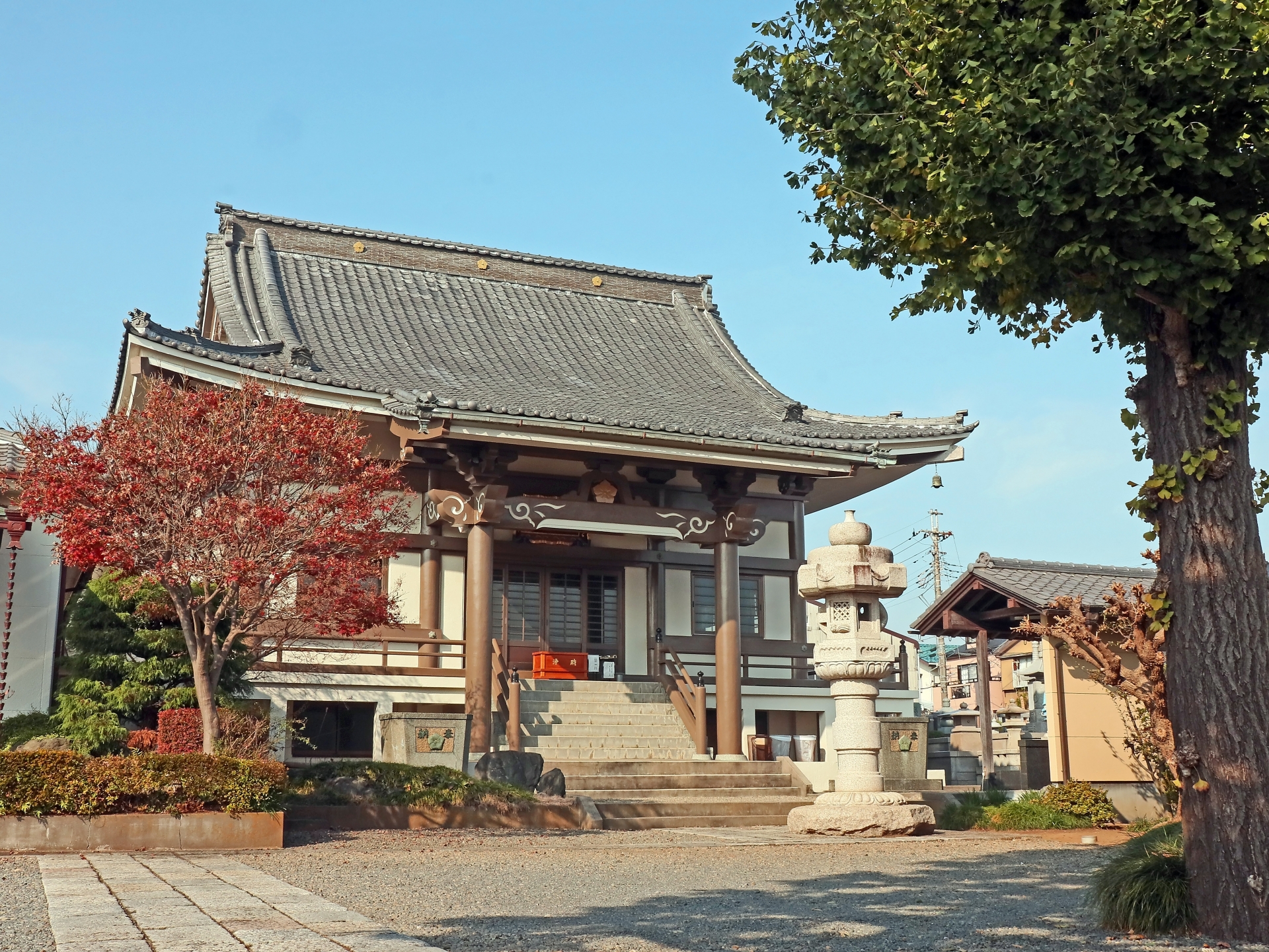
 kote2
kote2 The Verdict
Tofuku-ji Temple is an absolute must-visit for anyone traveling to Kyoto, especially during autumn when the maple trees transform the ravine into a crimson ocean. While famous for its fall foliage, this historic Zen temple offers profound beauty year-round with its stunning rock gardens, impressive architecture, and serene atmosphere. The iconic Tsutenkyo Bridge provides views that will leave you breathless, though expect significant crowds during peak season. Outside of autumn, you’ll find a peaceful sanctuary perfect for contemplation.
Tourist Quick Check
| Payment | Cash & Card Accepted |
|---|---|
| English Support | English signage available |
| Reservation | Walk-in (Night illumination requires advance booking) |
| Crowd Level | Heavy during autumn; Moderate other seasons |
| Wi-Fi | Unavailable |
Why Locals Love It
Tofuku-ji Temple stands as one of Kyoto’s most significant Zen Buddhist temples, representing the perfect harmony between nature, architecture, and spiritual philosophy. What makes this temple truly special is its approximately 2,000 maple trees, including the rare “Tsuten-momiji” variety with distinctive three-pronged leaves, that blanket the Sengyo-kan ravine below the famous Tsutenkyo Bridge.
Beyond the autumn spectacle, the temple’s Hojo Garden showcases masterful Zen garden design with geometric patterns created from moss and gravel that invite contemplation and inner peace. The expansive grounds mean that even during busy periods, you can find quiet corners to appreciate the temple’s profound atmosphere. The combination of National Treasures, Important Cultural Properties, and centuries-old trees creates an immersive historical experience that captures the essence of Kyoto’s cultural heritage.
During winter and early spring, visitors can appreciate the intricate branching patterns of bare maple trees—a different kind of beauty that’s equally captivating for those who seek tranquility over spectacle.
Key Highlights
- Tsutenkyo Bridge – The iconic wooden bridge offering panoramic views of the maple-filled ravine, creating what visitors describe as a “sea of red clouds” during autumn
- Sengyo-kan Ravine – The valley below filled with approximately 2,000 maple trees, including the rare three-pronged “Tsuten-momiji” variety unique to this temple
- Hojo Garden – A masterpiece of Zen landscape design featuring geometric patterns of moss and gravel that guide the eye and calm the mind
- Night Illumination (Seasonal) – Special evening viewings during autumn with advance reservation, offering a mystical atmosphere as maples glow against the darkness
- Gaunbashi Bridge – Another scenic bridge providing different vantage points of the temple’s natural beauty
- Historic Architecture – Multiple National Treasures and Important Cultural Properties showcasing traditional temple construction
Honest Warnings
- Autumn Crowds Are Intense – During peak foliage season (late November to early December), expect massive crowds. Despite the spacious grounds, popular viewpoints like Tsutenkyo Bridge can feel congested. Consider visiting during weekdays or arriving right at opening time (9:00 AM).
- Limited Operating Hours – The temple closes at 4:00 PM daily, which is earlier than many attractions. Plan your visit accordingly, especially if you want to see multiple areas of the grounds.
- Night Illumination Requires Advance Booking – The special autumn evening viewings are reservation-only and sell out quickly. Book well in advance if you want this experience.
- Photography Restrictions – Some areas, particularly on Tsutenkyo Bridge during peak season, may have photography restrictions to keep crowds moving. Check current rules before your visit.
- Parking Availability Varies – While on-site parking exists, it can fill quickly during popular seasons. Consider using public transportation (nearest station: Tofukuji Station on JR Nara Line or Keihan Main Line).
- Separate Admission Fees – Different areas of the temple (Tsutenkyo Bridge, Hojo Garden, etc.) require separate entrance fees. Budget accordingly if you want to see everything.
- Early Opening Time – The temple opens at 8:30 AM (some sources say 9:00 AM), so early-bird sightseeing requires planning, especially when combined with other Kyoto attractions.
Pro tip: Visit during green season (May-June) or winter for equally beautiful but far less crowded experiences. The temple’s architectural and spiritual qualities shine through in any season.
Access
Tofuku-ji Temple
東福寺
15-778 Honmachi, Higashiyama-ku, Kyoto, 605-0981, Japan
〒605-0981 京都府京都市東山区本町15丁目778
TEL: 075-561-0087