
Yoshinogari Historical Park: A Must-Visit Journey Through Ancient Japan's Yayoi Period

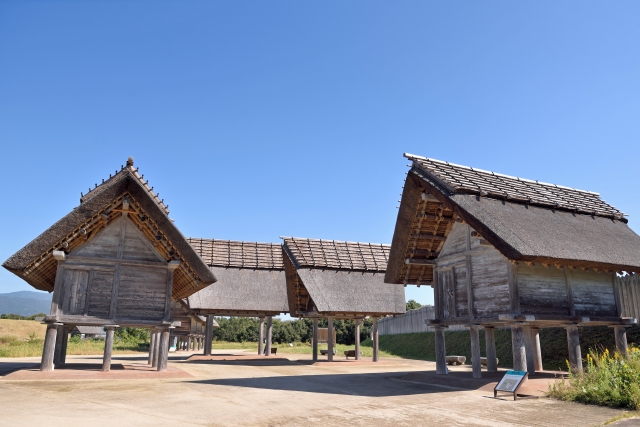
Step back 2,000 years and explore one of Japan’s most impressive archaeological sites at Yoshinogari Historical Park. This sprawling national park in Saga Prefecture offers an authentic glimpse into the Yayoi period, featuring meticulously reconstructed villages, dwellings, and watchtowers that bring ancient Japanese history to life.
The Verdict
Yoshinogari Historical Park is absolutely worth visiting for history enthusiasts, families, and anyone seeking a unique cultural experience beyond the typical tourist trail. The site’s massive scale and exceptional reconstruction quality make it a world-class historical attraction. However, visitors should plan for significant walking and come prepared for weather conditions, as the open landscape offers minimal shade. Budget at least 2-3 hours to properly explore the main areas, or a full day if you want to participate in hands-on cultural experiences.
Tourist Quick Check
| Payment | Cash & Credit Cards Accepted |
| English Support | English maps and signage available |
| Reservation | Walk-in (no reservation needed) |
| Wait Time | Minimal (large capacity) |
| Wi-Fi | Available in certain areas |
Why Locals Love It
Yoshinogari Historical Park stands as one of Japan’s most significant archaeological discoveries—a massive moated settlement from the Yayoi period (300 BC – 300 AD) that offers unprecedented insights into ancient Japanese civilization. What makes this site truly special is not just the historical artifacts, but the extraordinary effort put into reconstructing the entire village, complete with pit dwellings, elevated storehouses with rat guards, watchtowers, and ceremonial buildings.
Locals appreciate how the park successfully combines education with recreation. The vast grounds transform with the seasons—cherry blossoms in spring create a magical atmosphere, while autumn foliage adds warm colors to the ancient structures. The park staff are notably friendly and knowledgeable, offering guided tours and interactive programs that make history accessible to visitors of all ages. Unlike museums where artifacts are behind glass, here you can walk through actual-size reconstructions and truly feel what life was like two millennia ago.
Key Highlights
- Reconstructed Yayoi Village – Explore authentic pit dwellings, elevated storehouses, and ceremonial buildings that showcase ancient architectural techniques
- Watchtower (Yagura) – Climb the observation tower for panoramic views of the entire settlement complex
- Burial Sites – See actual excavated burial jars (kame) preserved in situ, offering a rare glimpse into Yayoi funeral practices
- Ceremonial Hall – Visit the impressive high-floor building where religious rituals have been recreated with period-accurate details
- Hands-on Experience Programs – Try your hand at ancient crafts like fire-making, weaving, or bronze casting (check schedule in advance)
- Free Shuttle Bus – Convenient transportation around the expansive 117-hectare park grounds every 20 minutes
- Seasonal Natural Beauty – Enjoy cherry blossoms, fresh greenery, and autumn colors that enhance the historical atmosphere throughout the year
Honest Warnings
- It’s HUGE – The park is extremely vast with minimal shade. Wear comfortable walking shoes, bring sun protection (hat, sunscreen), and stay hydrated, especially in summer. The lack of landmarks can make navigation tricky despite provided maps.
- Limited Facilities – Vending machines and rest areas are scattered and not abundant. Bring sufficient water, particularly during hot weather.
- Weather-Dependent Experience – The open landscape means you’re exposed to elements. Lightning restrictions may limit access during storms. Visit during mild seasons (spring or autumn) for the most comfortable experience.
- Time Commitment – Plan for at least 2-3 hours minimum to see the main sites. A thorough visit with experiences can take 4-5 hours. Don’t underestimate the time needed.
- Access from Station – It’s about a 15-minute walk from Yoshinogari-Koen Station (north exit). Follow the clear signage, but factor this into your schedule.
- Parking Fees Apply – While there are over 1,000 parking spaces available, parking is not free (separate from admission).
- Best Visited When Active – The site is most impressive when you have energy to explore. Arrive early in the day rather than as an afternoon afterthought.
Pro Tip: Grab a park map at the entrance, utilize the free shuttle bus strategically, and time your visit for spring or autumn when the weather is pleasant and the scenery is stunning. The restaurant and souvenir shop near the entrance are good for post-exploration refreshments.
Access
Yoshinogari Historical Park
吉野ヶ里歴史公園
1843 Tade, Yoshinogari-cho, Kanzaki-gun, Saga 842-0035, Japan
〒842-0035 佐賀県神埼郡吉野ヶ里町田手1843
TEL: 0952-55-9333